
Two runners cross the same finish line on a 14°C morning, both wearing shells labeled "breathable." One peels off a dry base layer; the other wrings out a shirt that clings like a wet towel. The difference is rarely marketing. It usually traces back to a number on the fabric spec sheet and whether that number matches how hard the wearer is working.
Here is the short version: a breathability rating measures how much water vapor passes through one square meter of fabric in 24 hours (MVTR, written as g/m²/24h), or how strongly the fabric resists that vapor (RET, where lower is better). For high-output sports such as running and ski touring, roughly 10,000 g/m²/24h or better is a sensible target. For commuting and low-intensity wear, 5,000 is often enough. What follows explains where those numbers come from, why identical ratings rarely feel identical, and how to match a rating to the way you actually sweat.
Content
Your body cools itself by releasing sweat as water vapor. A breathable fabric lets that vapor escape through the textile while still blocking liquid water from the outside, and the industry describes this with two related systems.
MVTR, or moisture vapor transmission rate, counts the grams of water vapor that pass through one square meter of fabric over 24 hours. Higher numbers mean vapor escapes faster.
RET, or resistance to evaporative heat transfer, approaches the same property from the opposite direction: it measures how much the fabric slows vapor down. Lower is better, and the thresholds most commonly used to interpret ISO 11092 results are:
The two scales are inverses of each other but not perfectly convertible, which is one reason ratings quoted by different brands never line up cleanly.
Labs rely on several different test methods, and they do not produce interchangeable numbers.
The ASTM E96 family of cup methods weighs how much water vapor moves through a sample stretched over a cup of water, in upright, inverted, or desiccant configurations. The ISO 11092 sweating guarded hotplate instead measures the energy needed to keep a heated, "sweating" plate at a constant temperature beneath the fabric, which is where RET values come from.
Each method runs at different temperatures, humidity levels, and airflow, so the same fabric can score around 8,000 g/m²/24h in one setup and 15,000 in another. The inverted cup tends to read higher than the upright cup, and the hotplate method is generally considered the more realistic standard for laminated shells because it reflects how vapor moves through clothing on a warm body.
The practical takeaway: only compare ratings that were measured with the same method, and treat a headline figure quoted without a test method as a rough indicator rather than a specification.
Despite the lab quirks, broad tiers hold up well enough to guide a purchase. The ranges below summarize what most brands and test reports work with.
| Breathability rating (g/m²/24h) | Typical RET equivalent | Comfort level | Best suited for |
|---|---|---|---|
| Below 5,000 | Above 20 | Minimal; moisture builds quickly inside | Commuting, casual wear, dry cold, rest stops |
| 5,000 to 10,000 | 13 to 20 | Moderate | Walking, low-intensity hiking, everyday shells |
| 10,000 to 20,000 | 6 to 13 | Good to high | Running, hiking, skiing, sustained aerobic output |
| Above 20,000 | Below 6 | Excellent | Endurance sports, humid climates, hard uphill efforts |
A rating only pays off when the garment around it supports the activity. A 20,000 g/m²/24h shell with every zipper sealed will still saturate on a steep climb, while a well-ventilated 10,000 jacket can outperform it in stop-and-go mountain weather.
Breathability competes directly with waterproofing. A membrane dense enough to hold back a 20,000 mm water column must block liquid water under pressure, and that same density slows vapor. This is why the most waterproof shells are rarely the most breathable, and why serious garment makers focus on construction as much as the raw number.
Layer construction shapes the outcome. Two-layer laminates bond the membrane to the face fabric with a separate liner hanging inside, which is comfortable but heavier. Two-and-a-half-layer designs replace the liner with a thin protective print, saving weight at some cost to durability. Three-layer constructions sandwich face fabric, membrane, and liner into a single laminate that protects the membrane, sheds interior condensation quickly, and keeps its breathability after seasons of abrasion and pack straps.
Lamination quality matters as much as layer count. A poorly bonded laminate creates dead spots where vapor stalls, and no number on the label will reveal that.
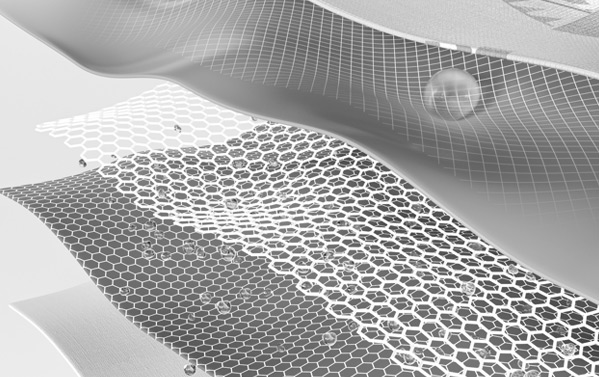 Multi-Layer Lamination Technology for Performance FabricsLamination quality determines whether vapor actually moves through a fabric, since poorly bonded layers create dead spots. This tension-free, multi-layer composite process maintains strength, flexibility, and appearance, making it worth reviewing alongside lamination considerations.View Product →
Several real-world factors can overwhelm even an excellent membrane rating:
None of this makes ratings useless. It means the rating describes the membrane, while comfort is decided by the whole garment system.
The right number depends on how much vapor you produce and for how long:
Thermal balance is part of the same equation. A fabric that dumps vapor but lets body heat escape will feel clammy in a different way, which is why breathability and insulation are engineered together rather than chosen separately.
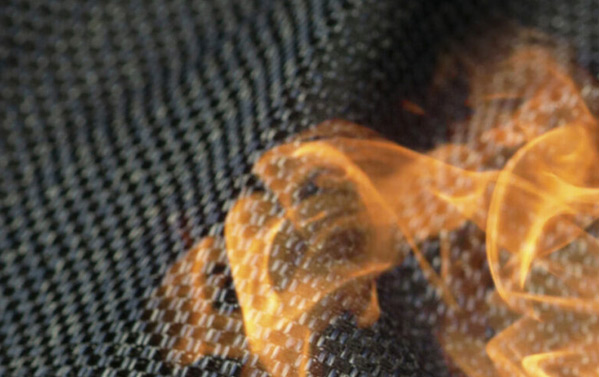 Thermal Management Technology for Protective TextilesBreathability and insulation must be engineered together to avoid clamminess, and this technology addresses that balance. It offers lightweight warmth, intelligent temperature regulation, extreme cold resistance, and flame retardancy for harsh-environment apparel.View Product →
Most breathable shells owe their performance to a membrane, and membranes fall into two families. Microporous membranes contain billions of pores far smaller than a water droplet, so liquid rain cannot enter while individual vapor molecules pass through. Hydrophilic, or monolithic, membranes move vapor chemically, using molecular chains that absorb sweat on the warm, humid side and release it on the cooler, drier side. Each family involves trade-offs in durability, stretch, and behavior in humidity.
Nanofiber-based membranes refine the microporous approach with structures fine enough to balance vapor transport against waterproofing and wind resistance, which is why they are increasingly specified for performance outerwear.
For a closer look at how these structures work and how they are evaluated, see our guide to nano breathing membranes in fabric.
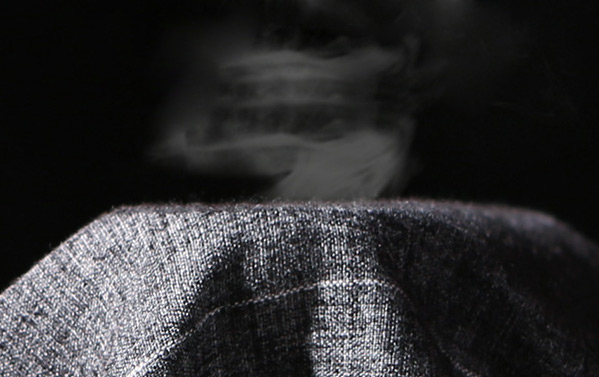 Nano Breathable Membrane TechnologyMembrane choice drives breathable shell performance, and this nano-porous film blocks liquid water while passing vapor, with published hydrostatic head and breathability figures. Buyers comparing membrane families and test data will find these specifications relevant.View Product →
Brand buyers and product developers should hold suppliers to the same standard consumers deserve: the test method, the test conditions, and wash-durability data alongside the headline number. A rating without a method is a marketing claim; a rating with a method is a specification you can build a garment line on.
Read the number, then read the fine print. Confirm which test produced the rating, match the tier to your activity's intensity and duration, and weigh construction, ventilation, DWR maintenance, and base layers just as heavily. Breathability ratings in athletic wear are best understood as one input in a system, and the teams that treat them that way end up with garments that still feel dry at kilometer ten.
 Custom Outdoor Functional Fabric Manufacturers
Military Fabric Suppliers
Custom Outdoor Functional Fabric Manufacturers
Military Fabric Suppliers


 English
 Español
 عربى
عربى 中文简体
中文简体