

 English
 Español
 عربى
عربى 中文简体
中文简体
Waterproof and Breathable Material: How Fabrics Work and How to Choose
Ask ten people what "waterproof and breathable material" means and you will usually get ten answers, most of them about...
View Article

Ask ten people what "waterproof and breathable material" means and you will usually get ten answers, most of them about...
View Article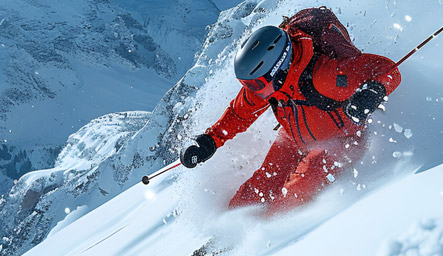
Winter clothing has one job: keep you warm, dry, and comfortable when the temperature drops. But the fabric inside your...
View Article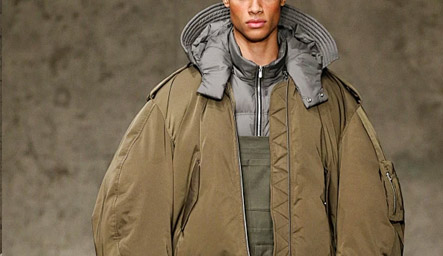
Every ounce a hunter carries is paid for in kilometres. A whitetail stalk at first light, an alpine approach to a mule ...
View Article
Lamination is one of those processes that looks simple from the outside and turns complicated the moment you actually t...
View Article
Ask a room full of outdoor buyers what fabric keeps rain out and one name usually arrives first. The expanded PTFE memb...
View Article
Few pieces of kit carry as much weight in the field as an extreme cold weather army jacket. In sustained deep cold, a j...
View Article
An outdoor brand's design team asked a fabric supplier for a 20,000 mm waterproof shell with a soft hand-feel. The supp...
View Article
Two runners cross the same finish line on a 14°C morning, both wearing shells labeled "breathable." One peels off a dry...
View Article
Imagine you are sourcing a 20,000 mm waterproof fabric for a ski-jacket line. The sample from a general mill looks good...
View Article
Breathable Water Repellent: Dry on the Outside, Comfortable Inside A jacket that sheds rain for the first ten minutes a...
View Article
Why Some Polyester Sheds Rain and Other Polyester Soaks Through Pour water onto two polyester jackets that look nearly ...
View Article
What "High-Strength" Actually Means for Protective Fabric A police vest that stops a handgun round yet weighs under two...
View Article Custom Outdoor Functional Fabric Manufacturers
Military Fabric Suppliers
Custom Outdoor Functional Fabric Manufacturers
Military Fabric Suppliers