
Every ounce a hunter carries is paid for in kilometres. A whitetail stalk at first light, an alpine approach to a mule deer basin or a full day of upland walking all reward the same gear behaviour: clothing that stays quiet, keeps the weather out and is light enough to be forgotten. That is the brief lightweight hunting apparel has to satisfy, and it is harder than it sounds.
At Yanjing Textile Technology (Jiangsu) Co., Ltd., we have been developing technical fabrics for military and high-performance outdoor use since 2010, under our DragonTex® fabric brand. One lesson has repeated itself across those years: light weight is never a single property. It is the outcome of a fibre choice, a membrane, a finish and a lamination process that all have to work together.
This guide is written for brand owners, product developers and sourcing teams who need to specify lightweight hunting apparel that performs in the field rather than only on the hangtag.
Content
Hunting apparel is often treated as a variation of hiking or military clothing. In practice the demands differ. Hunters move slowly and stop often, which shifts the burden onto moisture management and thermal regulation rather than breathability at speed. They crawl, kneel and push through brush, which puts abrasion and snag resistance at the front of the specification. And they need to stay unseen, acoustically as well as visually.
Weight matters because it compounds. A shell that is 120 grams heavier than it needs to be, paired with a heavier mid layer and a heavier base, becomes half a kilogram of extra load by the end of a long approach. That load is carried on every climb and every crawl. Reducing it without losing weather protection or durability is the central engineering problem in this category.
The trade-off is not fixed, though. Modern fibre blends, lighter membrane systems and lower-density face fabrics have made it possible to build hunting apparel that weighs meaningfully less than a decade-old equivalent while still meeting the abrasion and water-resistance targets buyers test for.
When we build a fabric brief with a hunting brand, five requirements come up in almost every conversation. Each one pushes the construction in a different direction, so the specification has to be balanced deliberately.
Crisp, stiff face fabrics rustle, and on a still morning that noise carries further than most hunters expect. Softer yarns, flexible lamination and the avoidance of high-stiffness coatings keep a composite quiet, and brushed or lightly textured backings help as well.
A durable water repellent (DWR) finish stops the face fabric from wetting out, which protects both comfort and breathability. The real question is not day-one performance but whether the finish still works after twenty washes. Fluorine-free C0 chemistry is now the default for brands with sustainability commitments, provided it is specified with wash-durability testing attached.
Hunting is stop-start exertion. Without adequate moisture vapour transmission, condensation builds inside the shell and the hunter chills the moment they stop moving. MVTR and RET values belong in the specification, not in an appendix.
Light weight is only useful if the fabric survives its environment. Martindale cycles, tear strength and tensile strength predict whether a garment reaches a second season. Ripstop constructions and high-tenacity yarns let you reduce weight without dropping below those thresholds.
Insulation has to cope with a cold dawn and a mild midday. Low-density insulation combined with a moisture-moving lining delivers more real-world comfort than simply adding loft.
| Requirement | Field Symptom When It Is Missing | What to Specify |
|---|---|---|
| Low acoustic signature | Game alerted by rustling fabric | Soft-hand face fabric with flexible lamination |
| NIR reflectance | Camouflage reads inconsistently under night optics | Pigments and prints matched to local vegetation reflectance |
| Durable water repellency | Face fabric wets out in light rain | C0 fluorine-free DWR with wash-durability testing |
| Moisture vapour transmission | Internal condensation and post-stop chill | Defined MVTR and RET values for the membrane |
| Abrasion resistance | Premature wear at cuffs, knees and shoulders | Martindale cycles plus tear and tensile targets |
| Thermal regulation | Overheating on the move and chilling when still | Low-density insulation with moisture-moving lining |
Most camouflage discussions stop at the pattern. In practice, concealment is a fabric function as much as a print function. Near-infrared reflectance determines how a garment reads under night vision and to wildlife that perceives light differently from humans, and inconsistency between a jacket, trousers and pack can make a hunter stand out even when the visible pattern matches perfectly.
Our bionic camouflage technology was first developed for military concealment programmes and has since been adapted for hunting applications, where the goal is a reflectance profile that stays coherent with surrounding vegetation across seasons and changing light.
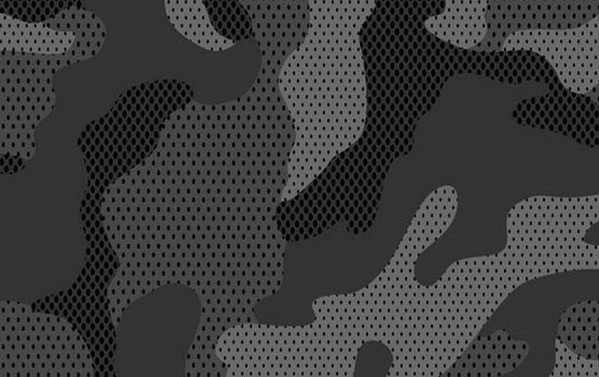 Bionic Camouflage TechnologyThe military-grade bionic covert system developed by Yanjing Textile is based on the principle of brain perception and device imaging, and achieves camouflage effect b...View Product →
Weight is managed across the whole system, not in a single garment. A practical lightweight hunting kit usually follows three layers, each carrying a different fabric brief:
Layer choices change with the hunt. Early-season archery in timber asks for something very different from a late-season mountain hunt, and a well-planned system covers both with fewer pieces. Teams mapping garments to conditions may find our breakdown of what to wear for every hunt a useful reference during that planning stage.
For mid layers, thermal management fabrics allow warmth to be delivered at lower weight by pairing low-density insulation with effective moisture transport, so the layer stays comfortable whether the hunter is climbing or sitting still.
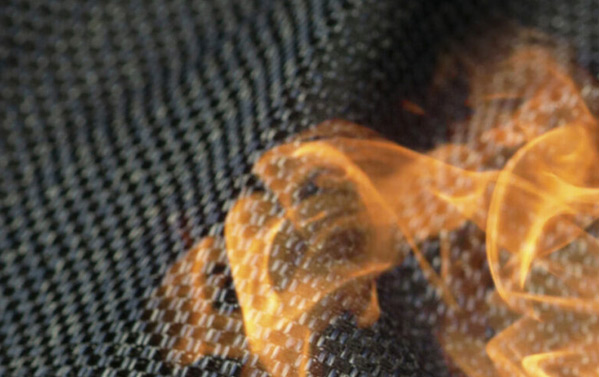 Thermal Management technologyThrough independent innovation, Yanjing Textile has developed high-performance protective fabrics such as lightweight and warm, extremely cold and low temperature resi...View Product →
The outer layer is where most of the weight debate happens. A traditional three-layer laminate delivers excellent protection but adds mass; lighter three-layer and reduced-layer constructions trim it. The right answer depends on how the garment will be worn and how much abrasion it has to survive.
Multi-layer lamination lets us combine a face fabric, membrane and lining into one composite that is waterproof, windproof and breathable, while keeping the overall hand soft enough to stay quiet in the field. Because we run the lamination process in-house in a temperature- and humidity-controlled facility, the composite can be tuned to the brief rather than selected from a fixed catalogue.
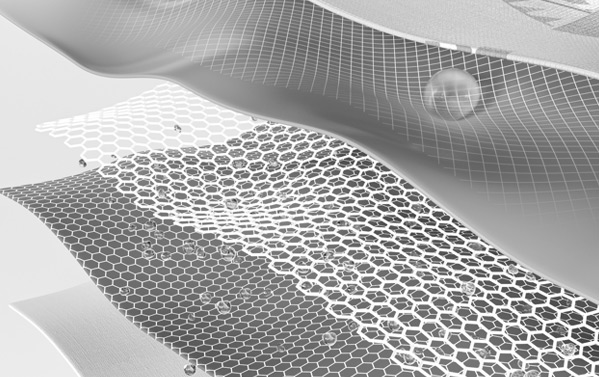 Multi-layers lamination technologyArt, strict control of each ring, T-one technology. The principle is to combine the sound properties of different materials through advanced The core of this technolog...View Product →
Procurement requirements have shifted. Recycled content, fluorine-free DWR and documented traceability are increasingly conditions of doing business rather than optional differentiators. We have worked on recycled fabrics since 2016 and on fluorine-free water repellency since 2012, which means these options can be built into a lightweight hunting programme from the first sample instead of being retrofitted later.
It is worth agreeing early on which claims the brand intends to make, because the fibre and chemistry choices behind those claims affect weight, hand and cost at the same time.
When you evaluate suppliers for this category, a handful of capabilities separate the partners who can genuinely help from those who will simply quote a price:
Lightweight hunting apparel rewards early collaboration. The sooner a fabric partner is involved, the more room there is to cut weight without giving up the quiet hand, abrasion resistance and weather protection that hunters actually judge gear by.
If you are developing a hunting collection and want to explore what is achievable within a defined weight target, our team is glad to start from the brief and work through fibre, construction and finish options with you.
 Custom Outdoor Functional Fabric Manufacturers
Military Fabric Suppliers
Custom Outdoor Functional Fabric Manufacturers
Military Fabric Suppliers


 English
 Español
 عربى
عربى 中文简体
中文简体