
Winter clothing has one job: keep you warm, dry, and comfortable when the temperature drops. But the fabric inside your jacket, base layer, or gloves matters just as much as the design. Two synthetic fibers show up again and again in cold-weather gear—nylon and polyester. They look similar on a label, yet they behave differently when the wind picks up, snow starts falling, or you work up a sweat on a long climb.
At Yanjing Textile Technology, we have spent years developing functional fabrics for outdoor, military, and everyday winter use. That experience has taught us that the nylon versus polyester question rarely has a simple answer. The right choice depends on where the fabric sits in your layering system, how wet the conditions get, and what performance you need most.
Content
Cold weather puts fabric under stress. You need insulation that traps warmth without adding bulk. You need moisture to move away from your skin before it chills you. You need resistance to wind, snow, and rain. And you need durability, because winter gear often gets packed, stretched, and rubbed against rough surfaces.
Nylon and polyester each solve part of that puzzle. Neither is automatically better. A thin polyester shell will not keep you warm in a blizzard, and a heavy nylon jacket without breathability can leave you clammy on a hike. Understanding their strengths helps you choose the right material for each layer.
Nylon, also called polyamide, is known for strength, elasticity, and abrasion resistance. It feels smooth and soft against the skin, takes dye well, and can be engineered into very light, very tough fabrics. In winter gear, nylon often appears in outer shells, windbreakers, and reinforced panels.
Polyester is a PET-based fiber. It is naturally hydrophobic, meaning it absorbs very little water. That makes it fast-drying and excellent for moisture management. Polyester also holds its shape well, resists UV damage, and costs less than nylon. You will find it in fleece midlayers, insulated jackets, base layers, and many everyday winter clothes.
| Property | Nylon | Polyester |
|---|---|---|
| Abrasion resistance | Excellent | Good |
| Moisture absorption | Moderate (about 3.5–4%) | Very low (under 1%) |
| Drying speed | Moderate | Fast |
| Warmth when woven thick | Good | Good |
| Softness and drape | Soft, supple | Can feel crisper |
| Cost | Higher | Lower |
| Best winter role | Outer shells, reinforced areas | Insulation, base layers, fleece |
This table is a starting point, not a rulebook. Fabric construction, weight, coating, and lamination can change performance dramatically.
Warmth comes from trapped air, not from the fiber itself. Both nylon and polyester can be made into insulating structures. Polyester fleece and synthetic fill are common because they loft well and stay warm when damp. Nylon is often used as a durable outer layer over that insulation, protecting it from wind and abrasion.
If you compare two identical jackets—one nylon shell, one polyester shell—the difference in warmth will be small. The bigger factor is the thickness, the lining, and whether the fabric blocks wind.
This is where polyester usually wins. Polyester absorbs almost no water, so it dries quickly and wicks sweat away from the body. Nylon absorbs a small amount of moisture and takes longer to dry. In wet snow or freezing rain, that difference can matter. A damp nylon layer can feel colder against the skin, while polyester keeps moving moisture outward.
For high-output activities like skiing, snowshoeing, or winter running, polyester base layers and midlayers are often the better first choice.
Nylon has a natural advantage in tight, high-density weaves. It can be made very thin and still resist wind, which is why many winter shell fabrics use nylon. Polyester can also be woven or coated for wind resistance, but it often needs a heavier construction or a membrane to match nylon's strength-to-weight ratio.
For waterproof winter outerwear, the fabric's coating or membrane matters more than whether the base fiber is nylon or polyester. A well-made polyester shell with a waterproof membrane can outperform a poorly finished nylon shell.
Nylon is the tougher fiber in abrasion tests. It resists rubbing from backpack straps, ice axes, and rough rock. Polyester is no slouch, but it tends to pill and wear faster under heavy friction. If you need a winter jacket for mountaineering, hunting, or military use, nylon reinforcements can extend the garment's life.
Nylon feels smoother and more supple, which can make it more comfortable in direct contact with skin. Polyester can feel slightly drier or crisper, but modern yarns and brushing have closed much of that gap. In a layering system, the two fibers often work together: polyester next to skin, polyester insulation in the middle, and nylon on the outside.
Think about your winter in terms of layers and conditions.
There is no single winner. The best winter system uses each fiber where it performs best.
At Yanjing Textile Technology, we develop fabrics under the Dragon-Tex brand for extreme outdoor protection, military use, and everyday winter comfort. Our experience with lightweight thermal fabrics and high-waterproof outdoor fabrics has shown us that fiber choice is only the beginning. Finishing, lamination, and fabric structure determine how a jacket actually feels on a cold morning.
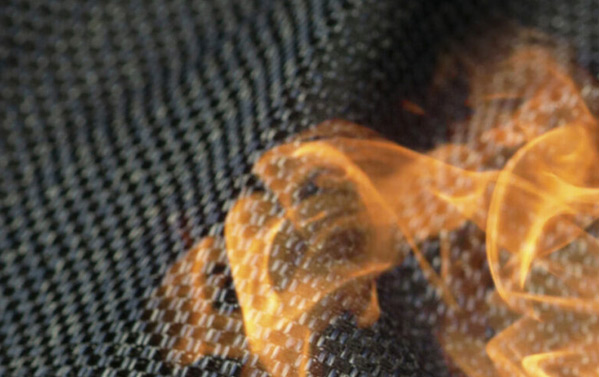 Thermal Management Technology for Firefighting and Extreme Cold ProtectionExplore Yanjing Textile's Dragon-Tex thermal management solution for firemen, combining lightweight warmth, low-temperature insulation, and flame-retardant high-temperature resistance.View Product →
Our thermal management technology focuses on keeping warmth in without adding unnecessary weight. That matters for winter sports, workwear, and outdoor professionals who move between activity and rest. Instead of simply choosing nylon or polyester, we engineer the fabric to manage heat and moisture for the specific end use.
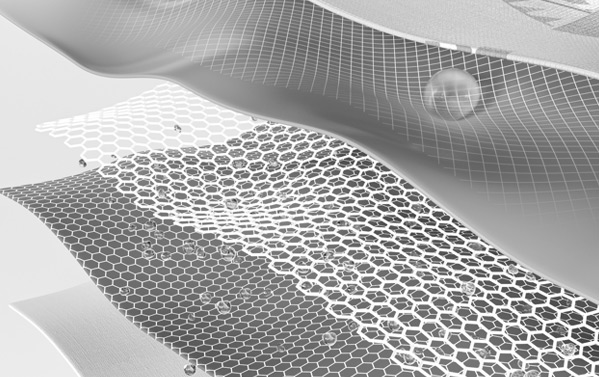 Multilayer Lamination Technology for Outdoor and Winter Performance FabricsSee how Yanjing Textile's tension-free multilayer lamination combines durable face fabrics, waterproof breathable membranes, and comfortable liners for skiing, riding, and city life.View Product →
For winter outerwear, multilayer lamination lets us combine a tough nylon or polyester face with a waterproof breathable membrane and a comfortable inner layer. The result is a fabric that blocks wind and rain while still letting sweat vapor escape. This is often the most practical way to get the best of both fibers.
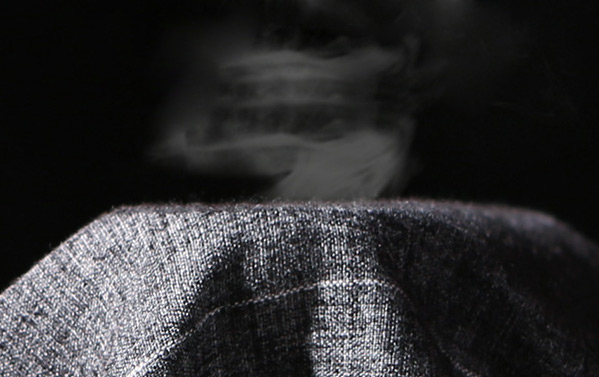 Nano Breathable Black Membrane Technology for Waterproof Outdoor FabricsYanjing Textile's nano breathable black technology offers waterproof, moisture-permeable comfort for running, city life, and pedestrianism with a dark matte surface.View Product →
We also work with nano breathable black technology, which creates a dark, matte surface with reliable breathability. It is a good example of how a fabric can be both protective and comfortable, regardless of whether the base polymer is nylon or polyester.
Myth: Nylon is always warmer than polyester. In reality, warmth depends on thickness and trapped air, not on the fiber name alone.
Myth: Polyester is only for cheap clothing. High-performance polyester is used in expedition-weight fleece, synthetic insulation, and technical base layers.
Tip: Read the care label. Both fibers are easy to wash, but high temperatures can damage coatings and membranes. Use a gentle cycle and avoid fabric softener.
Tip: Look at the whole fabric, not just the fiber content. A 100% polyester jacket with a good membrane and taped seams can be more waterproof than a basic nylon shell.
Tip: For winter layering, match the fiber to the job. Polyester for sweat, nylon for abrasion, and engineered blends where you need both.
So, nylon versus polyester for winter? The honest answer is that they are teammates, not rivals. Polyester excels at moving moisture and drying fast, making it ideal for base layers and insulation. Nylon brings toughness, wind resistance, and a soft hand, which makes it a strong choice for outer shells. The smartest winter clothing uses each where it shines.
If you are developing a winter collection or sourcing functional fabrics, we are happy to share what we have learned. From lightweight thermal fabrics to waterproof breathable laminates, the right construction can turn a simple fiber choice into a jacket that performs all season.
 Custom Outdoor Functional Fabric Manufacturers
Military Fabric Suppliers
Custom Outdoor Functional Fabric Manufacturers
Military Fabric Suppliers


 English
 Español
 عربى
عربى 中文简体
中文简体