
Imagine you are sourcing a 20,000 mm waterproof fabric for a ski-jacket line. The sample from a general mill looks good on paper, but after ten washes the water beads disappear and the shell wets out. This is a classic sign that the fabric lamination films, or the adhesive bonding them to the face fabric, were not designed for the end use.
Fabric lamination films are pre-formed polymer layers laminated to textiles. They give brands precise control over waterproofness, breathability, and hand feel. But they also add complexity: film selection, adhesive choice, and process conditions all affect the final result. This guide explains the types of films and adhesives, the performance data that matters, and the supplier checks that prevent expensive sourcing mistakes.
Content
A fabric lamination film is a thin polymeric layer bonded to a textile substrate to add a function such as waterproofness, wind resistance, breathability, or thermal protection. Unlike a coating, which is applied as a liquid and cured on the fabric, a film is made first and then laminated. This allows better control over thickness, porosity, and adhesion, which is why laminated fabrics consistently outperform simple coated fabrics in premium outdoor and protective apparel.
In performance garments, laminated constructions are usually described as 2-layer, 2.5-layer, or 3-layer. A 2-layer structure has an outer fabric and a film, usually with a separate liner in the finished garment. A 3-layer structure bonds the film between the face fabric and a knitted or woven backer, which improves durability and is ideal for backcountry shells. A 2.5-layer construction adds a protective print or pattern to the inside of the film, eliminating the liner and lowering weight. Choosing among these structures depends on the garment’s target weight, packability, and expected wash durability.
The film itself can be based on polyurethane (PU), thermoplastic polyurethane (TPU), polyester, or expanded polytetrafluoroethylene (ePTFE). PU films are cost-effective and can be engineered with hydrophilic chemistry to transfer moisture vapour. ePTFE membranes rely on micropores to block liquid water while allowing perspiration to escape, but they require careful handling during lamination. TPU films offer flexibility and weldability, making them useful for taped seams and protective clothing. Your supplier should be able to explain which film chemistry suits your application and budget.
The adhesive system that joins the film to the fabric is as important as the film itself. The main options are water-based adhesives, hot melt adhesives, dry web adhesives, and plastisol adhesives. Each changes the hand feel, peel strength, and breathability of the final laminate.
| Adhesive Type | Process Notes | Best Fit | Key Trade-off |
|---|---|---|---|
| Water-based | Applied as a liquid, dried and bonded; often solvent-free | Soft-feel apparel, eco-conscious orders | Longer drying time; may require careful temperature control |
| Hot melt | Heat-activated adhesive that bonds quickly under pressure | High-speed production, strong durable bonds | Can reduce breathability if applied too thick |
| Dry web | A pre-formed adhesive sheet or web placed between film and fabric | Even coverage, 3-layer and 2.5-layer constructs | Slightly stiffer hand feel if the web is too dense |
| Plastisol | PVC-based adhesive film that bonds with heat and pressure | Durable workwear and chemically resistant applications | Heavier weight; lower breathability |
When a garment needs to survive repeated washing, such as military uniforms or industrial workwear, hot melt and dry web systems tend to create stronger bonds. For lightweight consumer outerwear, water-based adhesives often preserve a softer drape. A reliable supplier should be transparent about the adhesive family they use and why it fits your end use.
In practice, the best results come when the lamination process, not just the film chemistry, is optimised for the base fabric. A supplier with in-house multilayer lamination technology can adjust line tension, temperature, and adhesive pick-up more quickly when you change yarns or face cloths. This reduces development cycles and improves consistency in production.
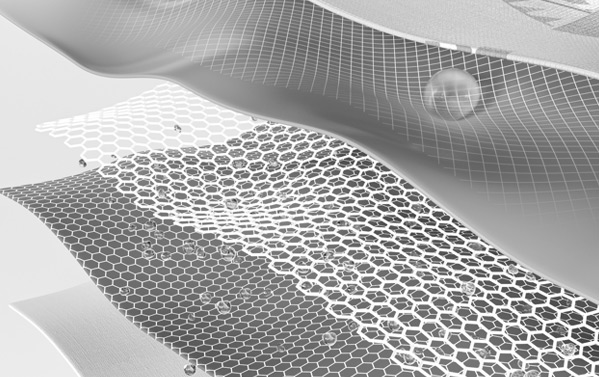 Multi-layers lamination technology - Yanjing Textile Technology(Jiangsu) Co., LtMulti-layers lamination technology - Yanjing Textile Technology(Jiangsu) Co., Ltd.View Product →
Two numbers dominate every technical specification: hydrostatic head in millimetres and moisture vapour transmission rate (MVTR) in grams per square metre per 24 hours. Values of 10,000 mm / 10,000 g/m²/24h are common for general outdoor shells, while alpine and ski products often demand 20,000 mm / 20,000 g/m²/24h or higher. But higher numbers do not automatically mean better. If the adhesive layer blocks the membrane’s pores, a nominally breathable film can feel clammy inside a jacket.
Nano-breathable membrane lamination is one approach to keep the water column high while preserving breathability. Instead of a thick continuous layer, the film is engineered with micro or nano structures that allow moisture vapour to escape. This type of construction is especially useful for high-output activities such as ski touring, trail running, and mountaineering.
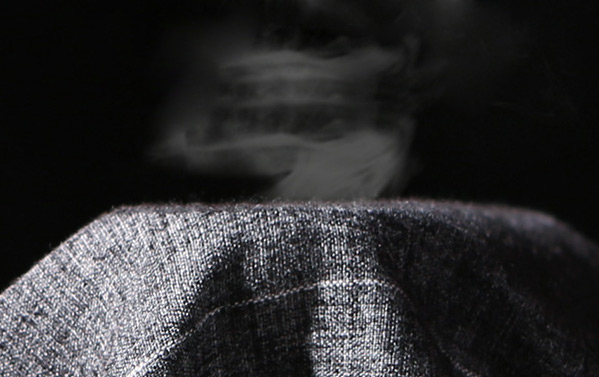 Nano breathable black technology - Yanjing Textile Technology(Jiangsu) Co., Ltd.Nano breathable black technology - Yanjing Textile Technology(Jiangsu) Co., Ltd.View Product →
Peel strength and hydrostatic strength after washing are critical. A laminate that separates after twenty washes will generate returns and warranty claims. Ask suppliers for wash-cycle data at a defined temperature, and specifically on the face fabric you plan to use. Also check abrasion resistance. In 2.5-layer constructions, the inside of the film can wear against skin or base layers, so a protective print or a thin knitted backer may be necessary for continuously worn garments.
Stiff laminates are easier to produce because they are simpler to bond. Softer laminates require precise tension control and adhesive application. If the target garment is a layered hard shell, you can accept some stiffness. If it is a spring rain jacket, the film and adhesive must be selected for flexibility. Request a drape test on a sample at an early stage; a data sheet alone will not tell you how the fabric behaves when folded or packed.
For ski and mountaineering apparel, the priority is a lightweight, breathable, and highly waterproof construction. A 2.5-layer or 3-layer laminate with a soft backing film is often selected. Brands that offer a wide range of jackets from alpine to city use can standardize on one film type and vary the face fabric weight, which simplifies the supply chain.
For professional workwear, priorities shift to abrasion resistance, chemical resistance, and easy maintenance. Laminates based on hot melt or plastisol adhesives can withstand harsher environments, although they are heavier and less breathable. Municipal uniforms and public utility clothing may also require high-visibility colours or flame-retardant finishes that interact with the lamination process.
Military textiles add another level of complexity. Laminates may need to be combined with flame-retardant treatments, NIR camouflage printing, or thermal regulation. In cold-weather missions, thermal management lamination films can reduce the need for extra insulation layers by creating a microclimate inside the garment. A supplier that understands both lamination and camouflage fabric requirements can shorten your development cycle significantly.
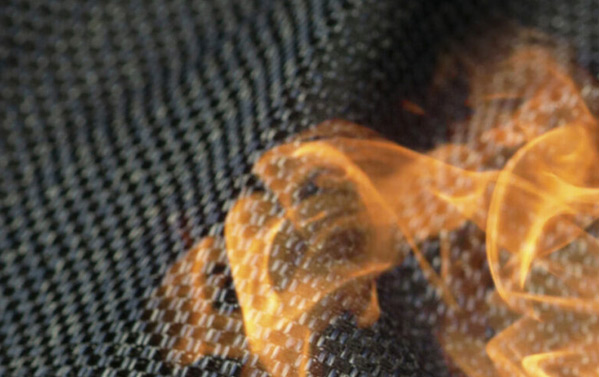 Thermal Management technology - Yanjing Textile Technology(Jiangsu) Co., Ltd.Thermal Management technology - Yanjing Textile Technology(Jiangsu) Co., Ltd.View Product →
Not every textile mill can handle functional films consistently. Lamination requires control of temperature, humidity, pressure, and line speed; a deviation in any one variable can destroy the film’s performance or create visible defects.
A supplier with a strong development record can also guide you on structural choices. The article on 3-layer vs. 2.5-layer fabric is a useful starting point before you request prototypes, because the chosen structure affects the film thickness, adhesive amount, and final cost.
Fabric lamination films are not a commodity. The interaction between film, adhesive, and base fabric determines how a garment performs in the field. Start by confirming your waterproofness and breathability targets, then select a supplier with the right lamination technology and a willingness to test with your actual materials.
When you evaluate a partner, verify their process controls and ask for wash-cycle data. A supplier who is transparent about lamination conditions is more likely to deliver consistent rolls. The right film, bonded by the right process, turns a good design into a product people trust in rain, snow, and extreme conditions.
 Custom Outdoor Functional Fabric Manufacturers
Military Fabric Suppliers
Custom Outdoor Functional Fabric Manufacturers
Military Fabric Suppliers


 English
 Español
 عربى
عربى 中文简体
中文简体