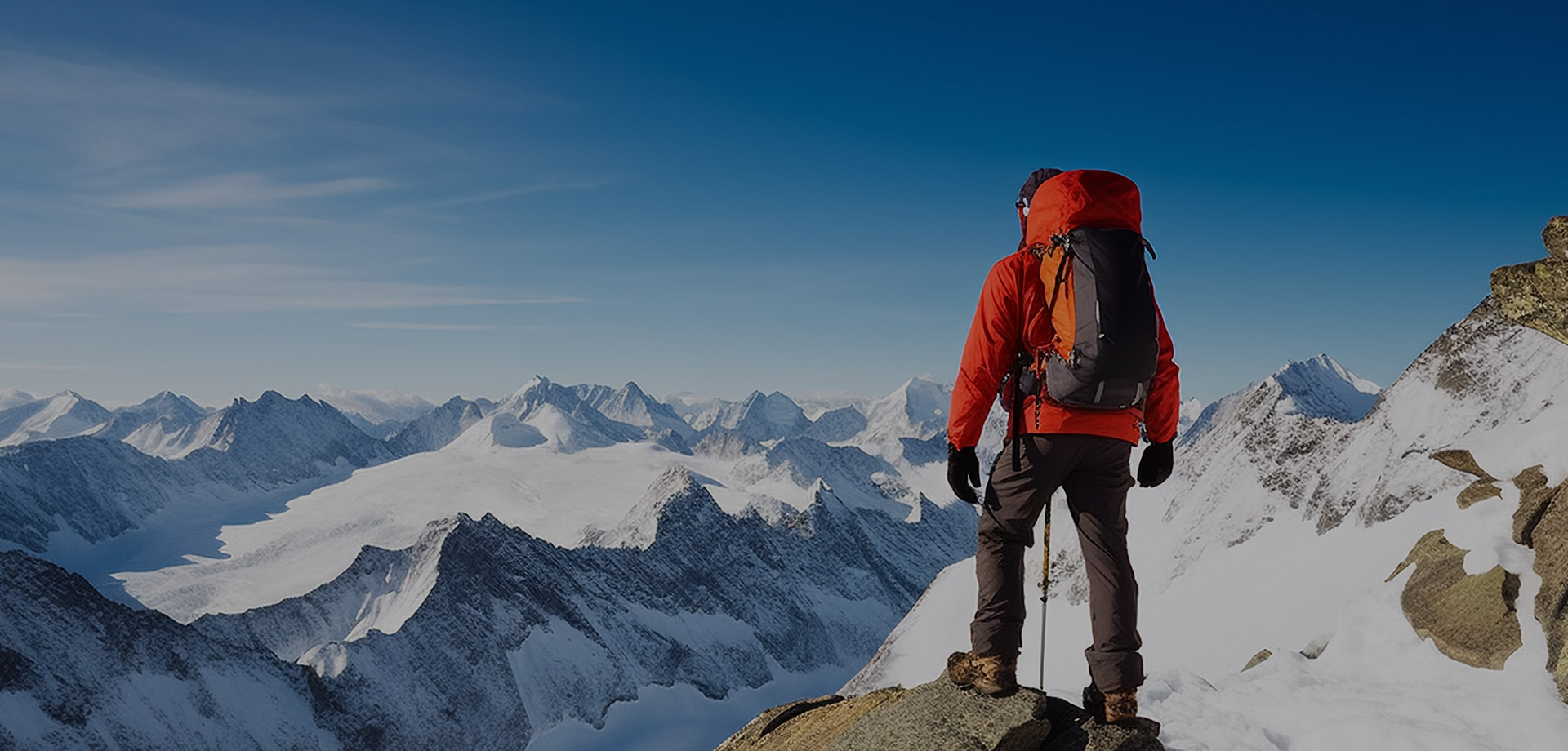
Few pieces of kit carry as much weight in the field as an extreme cold weather army jacket. In sustained deep cold, a jacket stops being a simple garment and becomes the difference between a soldier who can keep working and one who has to be pulled back to shelter. After more than a decade supplying functional fabrics into military, winter sports and heavy-duty workwear programmes, we have learned one lesson again and again: the jacket is only ever as good as the fabric stack underneath it.
This guide explains what actually defines an extreme cold weather army jacket, how the United States Army's Extended Cold Weather Clothing System (ECWCS) organises its layers, and which fabric properties matter at each stage. It is written for buyers, product developers and technical managers who need to turn a specification into a repeatable production run.
Content
An "extreme cold weather army jacket" is rarely a single product. In modern military practice it is one component inside a modular system that is worn in different combinations as temperature, wind and activity level change. The best known example is the ECWCS parka, a windproof, water-resistant and highly insulated outer shell designed to be worn over fleece and soft shell layers when temperatures drop far below freezing, and often quoted as being rated for conditions approaching minus sixty degrees Fahrenheit when combined with the full stack.
That range is only achievable because each layer does a different job. A base layer moves sweat away from the skin. A mid layer traps warm, dry air. A shell blocks wind and precipitation while still letting water vapour escape. The insulation layer adds loft without adding bulk. If any one of those functions fails, the whole system underperforms, and the wearer feels it immediately.
The third-generation ECWCS is the reference model most military cold weather programmes are measured against. It splits protection into seven levels, each with a defined fabric function. Understanding those levels is the fastest way to understand what an extreme cold weather army jacket is actually asking of your fabric mill.
| Level | Layer Type | Main Job | Fabric Priority |
|---|---|---|---|
| 1 | Base layer | Moisture wicking | Fast-drying knit, low odour retention |
| 2 | Light fleece | Light insulation | Grid fleece, high warmth-to-weight |
| 3 | Heavy fleece | Mid insulation | Loft retention after compression |
| 4 | Wind shirt | Wind blocking | Air permeability control, packability |
| 5 | Soft shell | Weather protection with mobility | Abrasion resistance, stretch, DWR |
| 6 | Hardshell | Waterproof and windproof | Membrane lamination, seam sealing |
| 7 | Insulated parka and trousers | Extreme cold protection | High loft insulation, windproof shell |
In deep cold, staying dry is staying warm. Base layers should move liquid sweat away from the skin quickly, which usually means fine-denier synthetic knits or carefully engineered wool blends rather than cotton. Mid layers then have to hold loft when compressed, because a fleece that flattens inside a pack loses most of its insulating value.
Thermal regulation is where fabric engineering really earns its keep. A well-designed mid layer manages heat and moisture transfer at the same time, releasing excess vapour during movement and holding warmth when the wearer stops.
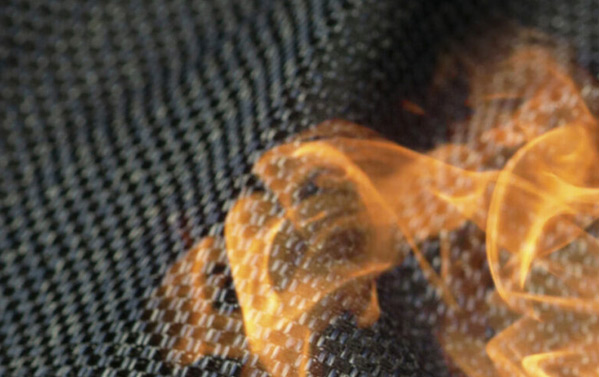 Thermal Management technologyThrough independent innovation, Yanjing Textile has developed high-performance protective fabrics such as lightweight and warm, extremely cold and low temperature resi...View Product →
The outer shell of an extreme cold weather army jacket has to do three jobs at once: stop wind, keep rain and wet snow out, and resist abrasion from webbing, weapon slings and rock. This is usually achieved by bonding a functional membrane between a durable face fabric and a soft lining. The bonding process itself determines long-term performance, because a poorly laminated shell delaminates after repeated washing and flexing.
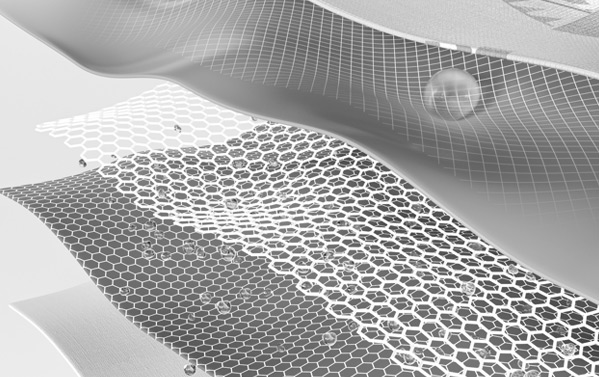 Multi-layers lamination technologyArt, strict control of each ring, T-one technology. The principle is to combine the sound properties of different materials through advanced The core of this technolog...View Product →
Multi-layer lamination lets a mill tune stiffness, drape, stretch and hand feel for the intended end use. A parka that must fit over body armour needs a different construction from a soft shell worn directly over a fleece, even if both are rated to the same waterproof column.
Both options have a place, but they behave very differently when conditions turn wet.
For most army programmes, the deciding factors are drying speed, durability through repeated laundering, and predictable performance after long storage, rather than raw loft numbers.
Waterproof-breathable performance gets harder to manage as temperatures fall. Water vapour still needs an escape route, but the driving pressure difference across the membrane is lower, so breathability figures measured in a lab do not translate directly into comfort on a wind-swept ridge. The practical answer is a membrane with a high moisture-vapour transmission rate combined with a carefully controlled durable water repellent finish on the face fabric.
DWR matters more than many buyers expect. When the face fabric wets out, the shell feels cold and clammy, and breathability collapses. Fluorine-free C0 chemistry now performs well enough for most military and outdoor programmes, but it demands tighter process control on washing durability and resistance to abrasion and hand marks. Testing after multiple home and industrial wash cycles is the only reliable way to confirm performance.
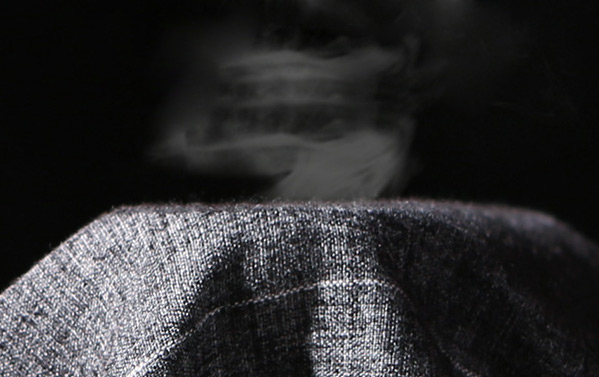 Nano breathable black technologyYanjing Textile independent research and development of dragon film technology, from the "people - clothing -Starting with the "environment" system, a non-inlet film t...View Product →
Membrane architecture also determines how the garment feels against the skin and how quietly it moves, which matters in patrol use where noise and stiffness are genuine drawbacks.
It is tempting to assume that a premium alpine shell fabric will satisfy an army specification. Usually it will not. Military programmes typically add requirements that civilian outdoor fabrics are never tested against: near-infrared reflectance for camouflage compatibility, flame retardancy, controlled abrasion resistance, and colour fastness under harsh laundering regimes.
We have published a detailed comparison of military fabrics versus standard outdoor fabrics that covers NIR reflectance, flame retardancy and abrasion testing in practical terms. The short version for buyers: define the standard first, then select the fabric, not the other way around.
Extreme cold weather garments are unforgiving of shortcuts. They combine insulation, membrane lamination, repellency and print or camouflage work in one package, which means the mill has to control several processes rather than one. At Yanjing Textile Technology we built our production around exactly that: temperature and humidity controlled lamination, nylon and polyester digital printing lines, and a development programme that has covered near-infrared concealment, fluorine-free water repellency, recycled fabrics and technical printing for major events.
Our DragonTex® functional fabric programme was created for the kind of protection that extreme outdoor use demands, while keeping weight and comfort in mind. If you are developing an extreme cold weather army jacket and want to talk through the fabric stack, we are happy to start from your temperature target and work backwards.
An extreme cold weather army jacket is a system, not a single purchase. The parka gets the attention, but the base layer, fleece, soft shell and hardshell beneath it decide whether the wearer stays functional. Get the layers right, specify the fabric performance with test methods attached, and verify durability through real wash cycles, and the finished garment will hold up in conditions that punish anything less.
 Custom Outdoor Functional Fabric Manufacturers
Military Fabric Suppliers
Custom Outdoor Functional Fabric Manufacturers
Military Fabric Suppliers


 English
 Español
 عربى
عربى 中文简体
中文简体