
Most people put on thermal underwear for the first time and assume the fabric must be doing something active, like generating warmth. It is not. A thermal base layer simply slows down the rate at which your body loses the heat it already produces, and then helps move the sweat away before it can chill you. Everything else, from fibre type to knit structure to the brushed loops on the inside of the fabric, exists to make those two jobs easier.
In this article we will walk through the mechanics in plain language, because understanding them makes it much easier to judge whether a thermal garment is genuinely well made or just thick.
Content
A base layer has three jobs, and they are not the same job.
The first is insulation: holding a thin, still layer of air against the skin so body heat is not carried away by moving air. The second is moisture transport: lifting sweat off the skin and spreading it across the fabric so it can evaporate. The third is breathability: letting water vapour pass through the fabric instead of condensing inside it.
Get all three right and you feel warm and dry. Get only the first one right, which is common in cheap heavy thermals, and you feel warm while standing still and clammy the moment you start moving.
Still air is one of the best insulators we have access to, which is why almost every thermal construction is really an air-trapping construction. A brushed inner face, for example, raises a fine pile of fibres that keeps the fabric from lying flat against your skin, so a thin sheet of air sits in between. Hollow-core filaments trap air inside the fibre itself. Rib knits with a touch of elastane stay close to the body without gaps at the wrist and waist, so warm air cannot simply leak out.
This is also why a thin, well-engineered thermal can outperform a much thicker garment. Weight and warmth are related, but they are not the same measurement.
| Fabric feature | How it slows heat loss | What to expect in use |
|---|---|---|
| Brushed inner surface | Traps a still layer of air next to the skin | Soft hand feel, quick warmth, moderate bulk |
| Hollow-core synthetic fibre | Adds air space inside the filament itself | High warmth-to-weight ratio |
| Close-fit rib knit with elastane | Reduces convective leaks at cuffs and waist | Warmth stays in place during movement |
| Lamination or membrane layer | Blocks wind-driven convective loss | Useful in shells and exposed conditions |
Because the garments are sold as "thermal", it is easy to assume they produce heat. They do not, unless they are electrically heated, which is a different product category entirely. Thermal underwear is passive. It buys your body more time before it loses the heat it is already making.
This matters practically. If you are not producing much heat, sitting in a cold vehicle or waiting at a trailhead, insulation is doing nearly all the work. If you are producing a lot of heat, hiking uphill with a pack, moisture management becomes the dominant factor and insulation can even become a liability if it cannot vent.
Sweat is not the problem. Sweat that stays on the skin is the problem. Water conducts heat far more effectively than air, so a damp base layer pulls warmth away from your body much faster than a dry one. That is the mechanism behind the classic winter discomfort of feeling fine while moving and freezing ten minutes after you stop.
Good thermal fabrics deal with this in two ways. First, the fibre surface and the spaces between filaments create narrow capillary channels that pull liquid sweat away from the skin and spread it over a wider area. Second, a hydrophilic finish or hydrophilic fibre component encourages that moisture to spread rather than bead up, so it evaporates faster.
This is where fibre choice really shows. Polyester and nylon are naturally hydrophobic, so they can be engineered into fast-wicking structures and dry quickly. Cotton is hydrophilic and holds water inside the fibre, which is why a cotton base layer feels cold and heavy once you sweat in it. Merino wool sits somewhere in between: it can absorb a fair amount of moisture without feeling wet, and it manages odour well, but it dries more slowly than a well-built synthetic.
Breathability in a base layer usually means vapour transfer rather than air flow. The fabric allows water vapour from your skin to pass through instead of condensing on the inside surface. Knitted thermals tend to be highly breathable because the structure is open; laminated and membrane-based fabrics are less breathable but add wind resistance.
The trade-off is worth thinking about before you buy. For high-output activity in cold but calm conditions, an open knit that moves vapour quickly is often the better choice. For exposed, windy environments where convection strips heat away, a fabric with a wind-blocking layer earns its place. Our own breathable functional fabric development work sits precisely on this balance point.
A thermal base layer should sit close to the skin without compressing it. Loose fabric lets warm air circulate and escape; overly tight fabric can restrict movement and stretch the knit so that its air pockets collapse. Look for flat seams, since bulky seams under a mid layer create pressure points, and check that cuffs and hems stay put.
The rest of the system matters just as much. The mid layer provides loft and stores heat, and the outer layer blocks wind and precipitation. If the shell is not wind resistant, no base layer will keep you comfortable in exposed conditions. If you want a closer look at how we approach low-bulk warmth, our lightweight thermal fabric page goes into the construction detail.
At Yanjing Textile Technology we have been developing functional fabrics since 2010, for military programmes and outdoor brands alike, and thermal work always comes back to the same question: how much warmth can we deliver per gram, while still moving moisture fast enough to stay dry.
In practice that means choosing the fibre, designing the knit or the lamination stack, and then verifying the result in use rather than on paper. Thermal performance is easy to claim and harder to prove, so we test warmth-to-weight, wicking rate and drying time together, because improving one often costs you another.
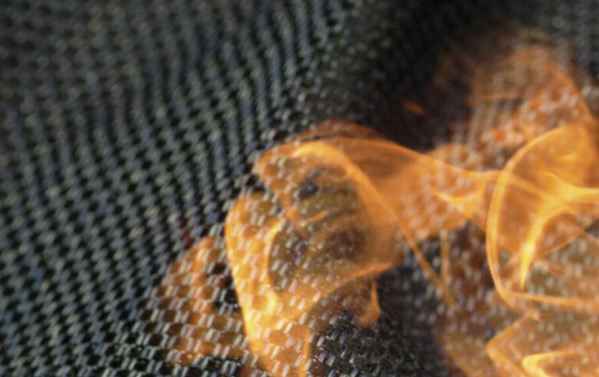 Thermal Management Technology Platform for Protective FabricsConsolidates insulating structures, moisture-transport finishes and lamination options, with tested warmth-to-weight, wicking and drying performance for demanding protective applications.View Product →
Our thermal management technology platform is where that work is consolidated, covering insulating structures, moisture-transport finishes and the lamination options that add wind resistance without turning a base layer into a jacket.
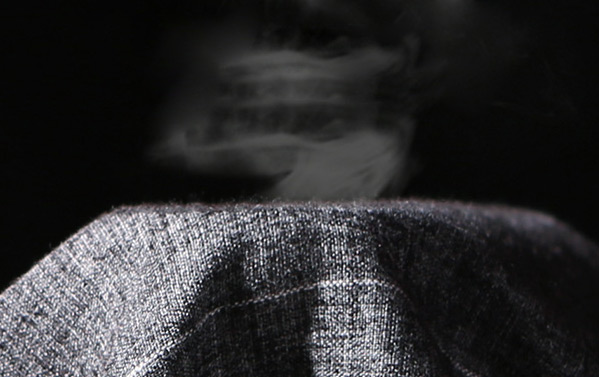 Nano Breathable Dragon Membrane TechnologyProprietary nano membrane combines waterproof, moisture-permeable and breathable performance for light technical fabrics in running, city life and pedestrianism.View Product →
Where a garment needs both warmth and a genuinely technical hand feel, nano breathable constructions offer a route that keeps the fabric light while still managing vapour. And for cold, windy conditions, multilayer lamination lets us combine insulation, a functional film and a face fabric in a single controlled stack.
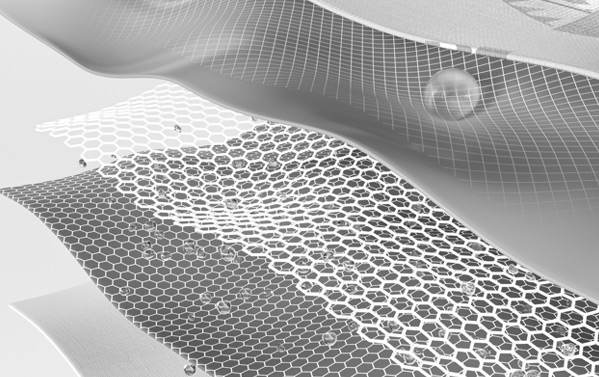 Multi-Layer Lamination Technology for Functional FabricsBonds insulation, functional film and face fabric in a controlled stack, supporting warmth, wind resistance and flame-retardant multilayer designs for outdoor use.View Product →
The DragonTex® range sits on top of these platforms, from the Ultra end for extreme exposure through to Classic for everyday cold-weather wear.
None of this is complicated once the mechanism is clear. Thermal underwear works by holding still air against your skin and by moving sweat away before it can conduct heat out of your body. The best garment for you is simply the one whose balance of insulation, drying speed and wind resistance matches what you are actually going to do in the cold.
 Custom Outdoor Functional Fabric Manufacturers
Military Fabric Suppliers


 English
 Español
 عربى
 中文简体
