
An insulation jacket can look simple on a rail: a shell, a lining, some fill. In practice, the material choices behind it decide whether the garment feels warm, light, dry and durable in real use. That is why sourcing insulation jacket material is less about picking one “best” fill and more about matching a complete material system to a climate, activity level and price target.
From our experience working with functional fabrics for outdoor, military, workwear and urban programs, the strongest briefs start with the conditions the wearer will meet, not with a single number on a spec sheet. A jacket that is excellent for a dry, active alpine ascent may be a poor choice for a wet, stationary commute. The material plan should reflect that difference.
Content
In sourcing conversations, insulation jacket material usually refers to the whole assembly rather than the fill alone. It includes the insulation layer, the face or shell fabric, the lining, any membrane or adhesive film, and the construction that holds these layers together. Each part affects warmth, weight, breathability, water resistance and hand feel.
A practical way to review a jacket material brief is to separate it into five decisions:
Good insulation cannot rescue a shell that leaks air or a baffle design that creates cold spots. That is why material selection should be tested as a garment system, not as isolated components.
Down remains attractive for its warmth-to-weight ratio and compressibility. High fill power down can pack small and deliver strong loft for its mass, which suits lightweight mountain and expedition layers. The trade-off is moisture: down loses much of its loft when it becomes wet, so the shell, lining and care instructions need to support dry use.
Synthetic fills are often easier to manage in damp, dirty or high-use programs. They can retain part of their insulating capacity when damp, dry faster in many constructions and tolerate more frequent washing. The compromise is usually bulk and weight for a comparable warmth level. Recycled polyester fills can reduce material impact, but the brief should still check durability, loft retention and wash performance.
| Fill route | Core strength | Watch-outs | Typical fit |
|---|---|---|---|
| Down | High warmth-to-weight and compressibility | Wet performance, downproof shell, cleaning care | Lightweight cold-weather and expedition layers |
| Polyester synthetic | Damp tolerance, easy care and predictable cost | Bulk, weight and long-term loft retention | General outdoor, workwear and everyday jackets |
| Recycled synthetic | Lower-impact material story with synthetic handling | Traceability, consistency and wash durability | Brand programs with sustainability requirements |
| Hybrid fill | Balance of loft, stability and moisture management | More complex construction and validation | Active cold-weather and mixed-condition use |
There is no universal winner. A down jacket for dry alpine use and a synthetic jacket for wet winter commuting are both rational choices when the material brief is honest about the environment.
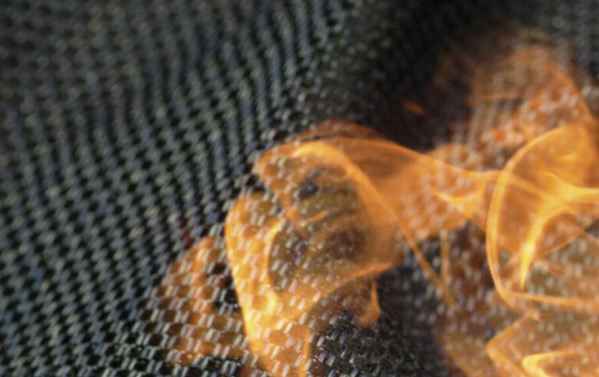 Yanjing Thermal Management Fabric TechnologiesReview Yanjing’s thermal-management fabric technologies, including lightweight warmth, low-temperature protection and flame resistance, for insulated garment material assessments.View Product →
The face fabric carries much of the jacket’s real-world reputation. It must resist wind, abrasion and light rain while staying light enough to preserve the garment’s comfort. Nylon is common for lightweight down shells because it can be made downproof at low weights. Polyester is often chosen for durability and cost control in synthetic insulated styles.
For winter and wet climates, a waterproof breathable shell or a highly water-repellent outer can protect loft and reduce wind chill. The finish matters too: a durable water repellent treatment should survive washing and abrasion, and buyers increasingly ask for PFC-free options. Downproofness is critical in down styles, but it also matters in fine synthetic fills that can migrate through seams or lining pores.
Lining is not just a comfort detail. It influences how the jacket feels against the skin, how easily it slides over a midlayer, and how moisture moves away from the body. In laminated styles, the adhesive film, membrane and bonding process can change stiffness, breathability and delamination risk. This is where material suppliers and garment developers need to work together early.
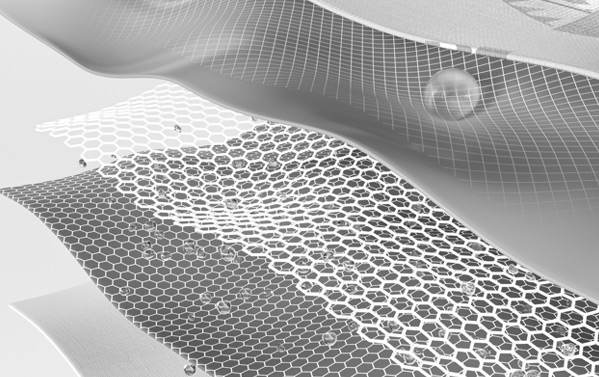 Multi-Layer Lamination Technology for Technical FabricsReview Yanjing’s tension-free multi-layer lamination process for bonded fabrics, relevant when lining, membrane and insulation systems need reliable composite performance.View Product →
Stitch-through baffles are light and simple, but stitching creates lines where insulation is compressed. Box-wall and other three-dimensional baffles allow more loft, usually at the cost of weight and complexity. Welded or laminated baffles can support cleaner water resistance, but they require careful process control.
A jacket loses heat through the places where it opens. A well-designed draft tube behind the front zip, adjustable hem, close-fitting cuffs and a shaped hood often deliver more perceived warmth than a small increase in fill weight. Seam placement should keep cold bridges away from high-exposure areas where possible.
This is why a jacket’s warmth cannot be judged from fill weight alone. Fill weight tells you how much material is used; loft, baffle height, fit, wind resistance and moisture management determine how that material performs on a person. A lighter jacket with better construction can feel warmer than a heavier one with poor sealing.
A clear specification reduces late-stage sampling and helps suppliers propose the right material route. We usually suggest this sequence:
For cold-weather programs, it helps to review base fabrics and composites together rather than in isolation. Our heat-insulating functional fabric range is one example of how fabric structure, finish and construction can be developed around a thermal brief.
Ask for test reports that match the intended use, and make sure the sample preparation and conditioning are stated. Useful checks for insulation jacket material include:
A report is only useful when it reflects the real material stack. Testing a shell alone will not predict how a laminated baffle performs after repeated washing, and testing loose fill will not reveal cold spots caused by stitch lines.
Sustainability is now part of mainstream material planning rather than a side project. For insulation jackets, the main levers are recycled fill, recycled shell and lining yarns, PFC-free water repellency, lower-impact dyeing and printing, and durability that extends garment life. Traceability matters as much as the headline percentage: buyers need to know where the recycled content comes from and how it is verified.
It is also important to avoid treating sustainability as a single badge. A jacket with recycled fill but a short service life may create more impact than a durable jacket with conventional materials. The better question is how the full material system can reduce waste, energy and chemical risk while still meeting the warmth and protection brief. Our wider sustainability approach follows that practical view.
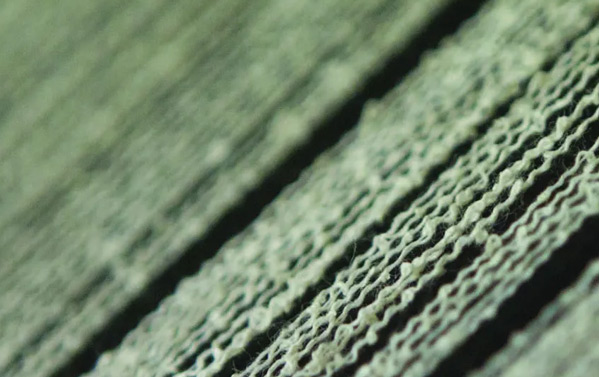 Eco-Friendly Recyclable Textile Technology SystemReview Yanjing’s lifecycle-focused green textile technologies, including recyclable, bio-based and low-water dyeing options, when assessing a jacket’s broader material impact.View Product →
Before signing off an insulation jacket material, ask one last set of questions. Does the fill match the moisture reality of the use case? Does the shell protect the fill without making the jacket clammy? Is the lining comfortable over the layers the wearer will actually use? Do the baffles and openings support the warmth claim? And can the factory repeat the same hand, loft and finish across production lots?
At Yanjing Textile Technology, we approach these questions as part of a wider functional material system. Our Dragon-Tex fabric work spans thermal management, multilayer lamination, environmentally conscious finishes and performance shells for outdoor and protective clothing. If you are developing an insulated jacket program, the most productive starting point is a clear use case, a target warmth level and an honest list of constraints. From there, the right insulation jacket material becomes much easier to define.
 Custom Outdoor Functional Fabric Manufacturers
Military Fabric Suppliers


 English
 Español
 عربى
 中文简体
