
Content
A jacket’s fabric isn’t just a materials selection—it defines the product’s functional identity, cost structure, and sustainability claims. Purchasing managers and product designers face a genuine strategic decision: does the lineup call for soft shell fabrics, hard shell fabrics, or a balanced mix? The answer directly affects everything from moisture management and packability to bulk production pricing and third-party certification requirements. Soft shell fabrics dominate high-aerobic, stop-and-go activities where breathability and stretch outweigh the need for an absolute water barrier. Hard shell constructions, built around a waterproof-breathable membrane, serve as the default choice for alpine, ski, and expedition pieces where prolonged rain or snow load is the norm. Getting the fabric right at the development stage prevents expensive recalls and warranty claims later.
Understanding the technical differences becomes even more important when comparing membrane chemistries, lamination architectures, and performance test data. A fabric’s hydrostatic head rating, moisture vapor transmission rate (MVTR), and air permeability aren’t marketing numbers—they are procurement specifications with direct impact on end-user satisfaction.
A soft shell fabric is a multi-component textile engineered for dynamic comfort rather than absolute weatherproofness. The typical construction pairs a dense, abrasion-resistant face fabric—often nylon or polyester woven blends—with a flexible membrane or high-density weave, and a brushed or fleece-like backer. Some soft shell materials incorporate a microporous PU membrane or a hydrophilic film, but many rely on a tightly woven structure and a durable water repellent (DWR) finish to shed light precipitation. The hallmark of a soft shell is its elasticity and breathability, which come from mechanical stretch fibers or elastane content, and from the absence of a fully sealed membrane that would trap moisture vapor.
In practical terms, a soft shell jacket delivers wind resistance, moderate water repellency, and high MVTR—often exceeding 10,000 g/m²/24h—while retaining enough airflow to prevent overheating during high-output efforts. Hydrostatic head values for soft shells rarely exceed 5,000 mm; this is by design, not failure. The fabric is meant to balance protection with ventilation, making it the preferred material for alpine climbing, cross-country skiing, trail running, and fast-and-light backpacking where the wearer generates substantial body heat and encounters intermittent drizzle rather than sustained downpours.
Soft shell fabrics excel in cool, dry to moderately damp environments. They offer superior noise dampening and freedom of movement, which makes them popular for mountain guides, ski instructors, and active commuters. However, procurement teams must be clear about the limitations. Soft shells cannot substitute for a true waterproof layer in continuous rain or wet snow conditions. Once the DWR wears off and the face fabric wets out, breathability drops and the jacket becomes heavy and cold. For brands positioning a piece for all-day summit assaults in stormy weather, a soft shell as the outermost layer is insufficient. These fabrics also show lower abrasion resistance against sharp rock compared to reinforced hard shell face textiles, a factor that matters in search-and-rescue or military applications.
Hard shell jackets are built around a waterproof-breathable membrane laminated to a durable face fabric. The membrane can be ePTFE-based (expanded polytetrafluoroethylene) with a microporous structure, or a PU-based (polyurethane) hydrophilic film that transports moisture via molecular diffusion. The difference is far from cosmetic: ePTFE membranes offer higher breathability but are sensitive to contamination and require protective tricot liners; PU membranes tend to be more cost-effective and easier to bond in 2.5-layer configurations, but their MVTR typically falls below that of premium ePTFE alternatives. The fabric structure is defined by lamination layers: a 2-layer construction bonds the membrane only to the face fabric and hangs a separate lining inside the garment; a 2.5-layer system prints a protective raised pattern directly onto the membrane; a 3-layer build laminates face fabric, membrane, and a backing textile into one unified sheet. Each approach influences weight, durability, packability, and cost. The choice between 2.5-layer and 3-layer construction is a critical sourcing decision; read our analysis on how 3-layer vs. 2.5-layer membranes compare in real sourcing projects.
For brands developing robust hard shells, explore our multilayer lamination technology for hard shell fabric construction to understand how bond integrity and peel strength are maintained through industrial-scale production. A hard shell’s performance is ultimately dictated by the membrane itself. nano breathing membrane technology for breathable waterproof membranes pushes MVTR beyond standard PU film limits without compromising waterproofness, enabling lighter, more breathable shells that still meet 20,000 mm hydrostatic head targets.
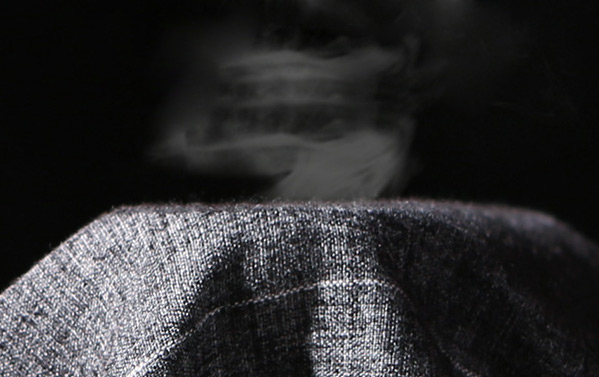 Nano breathable black technology - Yanjing Textile Technology(Jiangsu) Co., Ltd.Nano breathable black technology - Yanjing Textile Technology(Jiangsu) Co., Ltd.View Product →
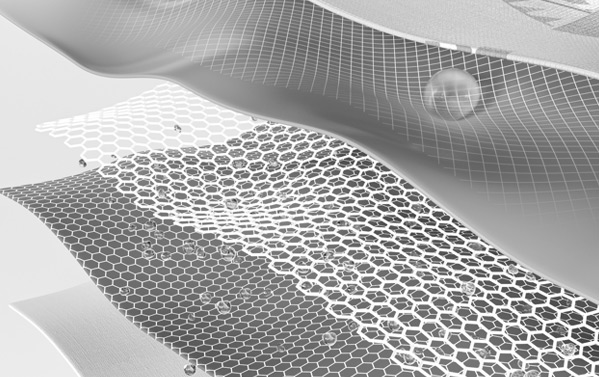 Multi-layers lamination technology - Yanjing Textile Technology(Jiangsu) Co., LtMulti-layers lamination technology - Yanjing Textile Technology(Jiangsu) Co., Ltd.View Product →
When evaluating hard shell fabrics from potential mills, procurement teams should request complete technical data sheets. The essential metrics are:
Always insist on third-party test reports rather than supplier self-declarations. A 20,000 mm rating on paper means little if the lamination fails after 10,000 flex cycles or the seam tape delaminates at low temperatures. In the real world, consistent quality control is more valuable than inflated specification sheets.
Brand decisions become sharper when soft shell and hard shell characteristics are lined up side by side. The table below summarizes average ranges that purchasing managers can use as a baseline for vendor discussions. Keep in mind that premium soft shells with integrated membranes can creep closer to hard shell waterproof ratings, while entry-level hard shells with thick, low-breathability PU films may perform worse than a high-end soft shell in MVTR. The numbers are guides, not guarantees.
| Parameter | Soft Shell | Hard Shell |
|---|---|---|
| Waterproof Rating | 0 – 5,000 mm | 10,000 – 28,000 mm |
| Breathability (MVTR) | 8,000 – 20,000+ g/m²/24h | 10,000 – 25,000 g/m²/24h |
| Wind Resistance | Moderate to high (varies with weave) | Zero CFM (full wind block) |
| Stretch & Mobility | High mechanical or elastane stretch | Low; some 3L fabrics offer limited give |
| Insulation / Warmth | Built-in fleece backer provides light warmth | None; relies on mid-layer system |
| Weight (typical) | 300 – 600 g/m² | 150 – 400 g/m² (membrane shell only) |
| Best Activity Fit | Hiking, climbing, ski touring, cool-weather running | Alpine mountaineering, resort skiing, heavy-rain trekking |
Numbers like 5,000 mm and 20,000 mm are meaningless without context. Our explainer on what a 5,000 mm vs. 20,000 mm waterproof rating actually means for jacket performance translates test data into real user scenarios, helping product teams set meaningful specifications instead of picking the highest number available.
Sourcing either soft shell or hard shell fabric at scale involves more than selecting a spec sheet. Buyers need to audit factory capabilities, certification portfolios, and development timelines. The lamination equipment must handle the required width, roll length, and temperature control to deliver consistent bond strength across batches. Mills that cannot demonstrate calibrated heat and pressure control risk delamination failures after a few washes. Equally important is the factory’s chemical management system: DWR treatments, membrane solvents, and backing adhesives must comply with evolving regulations in the EU and US, including PFC-free DWR transitions.
When vetting potential fabric mills, a structured approach to certifications is essential. Refer to our practical buyer’s guide to OEKO-TEX, GRS, and bluesign certifications for a step-by-step evaluation framework. Credible suppliers will provide full certificates, not just logos on a presentation. Sustainable sourcing is no longer optional; credentials like OEKO-TEX, GRS, and bluesign must be verifiable at the factory level. eco-friendly fabric technology and sustainable coating options directly contribute to meeting these certification benchmarks, from PFC-free DWR to recycled face yarns and solvent-free laminations. For a brand, choosing a fabric partner that already holds these certifications shortens time-to-market and avoids supply chain disruptions when regulations tighten.
 Ece-friendly technology - Yanjing Textile Technology(Jiangsu) Co., Ltd.Ece-friendly technology - Yanjing Textile Technology(Jiangsu) Co., Ltd.View Product →
The decision often boils down to the brand’s core activity promise. If the collection revolves around winter sports, ski expeditions, and mountain guides, hard shell jackets must form the technical backbone. The garments need to integrate with layering systems, helmet-compatible hoods, and waterproof zippers—all features that rely on a fully waterproof fabric platform. In that scenario, 3-layer hard shell fabrics with high MVTR and verified durability are the correct foundation.
If the brand identity leans toward fast-and-light missions, trail-to-tavern versatility, or multi-pitch rock routes, soft shell fabrics become the hero material. They offer the stretch and silent comfort that hard shells cannot match. Many successful product lines blend both: a lightweight 2.5-layer hard shell for summit pack protection, paired with a workhorse soft shell as the daily driver. The key is to align material selection with the specific environmental conditions and wearer expectations—and to back those selections with transparent, test-driven data from the mill.
 Custom Outdoor Functional Fabric Manufacturers
Military Fabric Suppliers
Custom Outdoor Functional Fabric Manufacturers
Military Fabric Suppliers


 English
 Español
 عربى
عربى 中文简体
中文简体