
Thermal underwear for extreme cold weather is one of those products where the difference between adequate and excellent is settled long before the first stitch — in the fiber choice, the knit structure and the finishing steps that buyers rarely see. Over the past fifteen years we have developed functional fabrics for military units, mountaineering brands, winter workwear programs and international sporting events, and the questions that come up in every cold-weather project are remarkably consistent.
This guide is written for the people who specify the fabric: product developers, sourcing managers and material engineers who need a base layer that still works at minus twenty, minus thirty degrees and below. We will walk through what extreme cold actually does to a garment, which fiber and knit decisions matter most, and what test data is worth asking for before you place a bulk order.
Content
In a mild winter a base layer mainly needs to feel warm. In extreme cold it has to work inside a much narrower margin. The body produces sweat during exertion — skinning up a slope, digging a snow cave, marching with a pack — and the moment activity stops, that moisture becomes the fastest route for heat to leave the body. Wet fabric conducts heat away far more quickly than dry fabric, and once a damp layer sits against the skin, no amount of insulation on top will fully compensate.
Wind adds a second pressure. A loosely knitted base layer that feels pleasantly thick on a shop shelf can be almost transparent to air, and cold air moving through the fabric strips out the still-air layer that does the real insulating work. Fit matters as well: a garment that is too tight compresses the knit and reduces loft, while a garment that is too loose leaves gaps at the wrist, waist and ankle where cold air circulates freely.
The design brief for extreme cold is therefore not simply "make it thicker". It is to keep the skin dry, hold a stable layer of still air, and stay comfortable enough that the wearer never wants to take it off.
Warmth in a knit comes mostly from trapped air. Grid structures, double-face constructions, hollow filaments and fine-gauge interlock all create space for air without adding weight. The trick is to build that structure so it survives compression — under a pack strap, a harness or a sleeping bag — and recovers its thickness once the load comes off. A fabric that pillows up beautifully in the lab but flattens permanently after ten minutes of pressure will disappoint in the field.
Wicking is only half of the story; the other half is how quickly the fabric releases what it has taken in. Hydrophilic finishes, profiled filament yarns and bicomponent constructions all help, but they must be balanced against the finish system used for water repellency, which can quietly kill wicking if it is applied too heavily. If you want a deeper look at the mechanism, our team has written a plain-language explainer on how thermal underwear actually works, from capillary action to evaporative cooling.
A next-to-skin layer is washed constantly, stretched at the knees and elbows, and worn for days at a time on multi-day trips. Pilling resistance, flatlock seam strength and recovery after repeated extension are not cosmetic details — they decide whether the garment still fits the way it did in the fitting room.
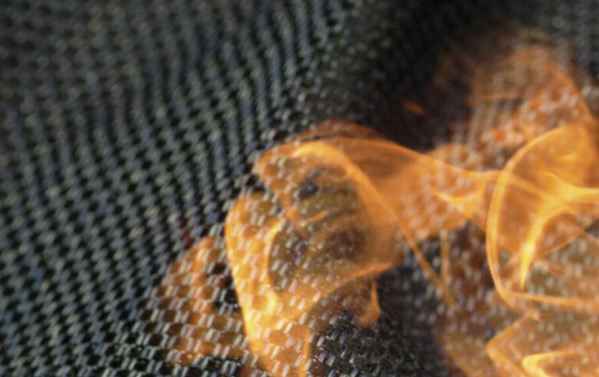 Thermal Management Protective Fabric TechnologyReview thermal-management fabrics for extreme cold and flame resistance, with certification and application details for protective clothing and firefighting use.View Product →
There is no single best fiber for extreme cold; there is a best fiber for a given wearer, activity level and price point. The table below summarizes how the main options typically behave in a next-to-skin knit.
| Fiber | What it does well | What to watch for | Where it usually fits |
|---|---|---|---|
| Fine merino wool | Warm even when damp, odor resistant, comfortable across a wide temperature range | Slower to dry, higher cost, needs careful yarn selection to avoid prickle | Expedition and multi-day programs |
| Polyester | Fast drying, strong wicking, good strength-to-weight, easy to blend | Can feel clammy with a poor finish; retains odor more than wool | High-exertion sport and military layering systems |
| Nylon (polyamide) | Smooth hand, high abrasion resistance, good durability | Higher moisture regain than polyester, can feel cool on skin | Abrasion zones, linings, wool blends |
| Elastane | Fit retention and recovery at low percentages | Excess content reduces breathability and loft | Fit panels, cuffs and waistbands |
| Blends | Balance dry rate, softness and cost | Performance depends heavily on blend ratio and yarn quality | Most commercial cold-weather programs |
In practice, most extreme-cold programs land on a blend rather than a single fiber: a wool-rich knit for multi-day comfort, or a polyester-rich grid knit where dry rate and mechanical strength matter more than hand feel.
Weight is the quickest way to set expectations, but it is not a measure of warmth on its own. Two fabrics at 200 gsm can differ by several degrees of perceived comfort depending on structure and how much air passes through them.
Air permeability deserves equal attention. A fabric below roughly 5 CFM blocks wind effectively but may hold moisture against the body during hard exertion, while a value in the 30 to 60 CFM range breathes well but needs a wind-resistant layer above it. For layering systems we often pair a lightweight thermal fabric on the torso with a heavier grid knit on the legs, so the wearer gets ventilation where they sweat most and insulation where they do not.
As soon as a garment moves beyond pure next-to-skin use — a hybrid base layer, a thermal mid-layer, a cold-weather work shirt — lamination enters the conversation. Bonding a knit face to a membrane or a raised backer lets you combine wind resistance, a stable hand and a controlled moisture path in one piece of goods.
Two-layer constructions give a soft outer hand and are popular for mid-layers; two-and-a-half-layer builds save weight where packability is critical; three-layer builds offer the best durability when the fabric will be worn hard and washed often. What separates good lamination from mediocre lamination is rarely the membrane. It is adhesive selection and coating weight, bonding temperature and humidity control, and whether the finished laminate survives twenty wash cycles without bubbling, stiffening or losing breathability at the seams.
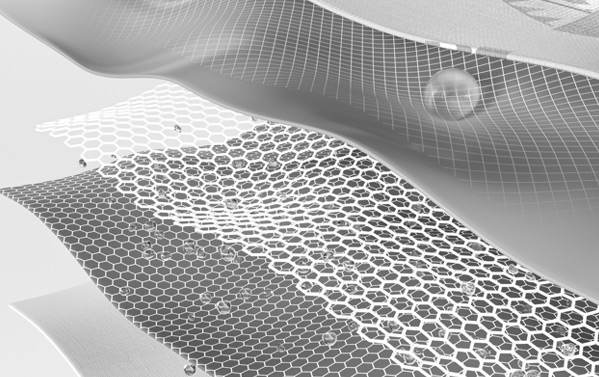 Advanced Multi-Layer Fabric Lamination TechnologySee how tension-free multi-layer lamination combines warmth, flame retardancy and material properties, with production controls and application examples for outdoor and protective garments.View Product →
A supplier's claim of "extreme cold performance" is not a specification. These are the numbers we would expect any serious fabric partner to provide, measured on finished and washed goods rather than greige:
Ask for the test report, not the summary. If a mill cannot show you the raw data for the exact lot you are buying, treat the performance claim as a design intention rather than a guarantee.
Recycled content, PFAS-free water repellency and traceable supply chains have moved from marketing nice-to-have to purchasing requirement for many brands, and cold-weather base layers are no exception. The complication is that the same finishes that provide water repellency can interfere with wicking, and recycled polyester does not always behave identically to virgin feedstock in fine-gauge knitting. Both issues are solvable, but only if they are raised at the sampling stage rather than after the bulk fabric has been woven.
Our advice is to state your certification targets — recycled content, restricted substance lists, mill-level environmental standards — in the first technical pack, together with the performance values you expect. That way the fabric and the documentation are developed in parallel instead of one chasing the other.
 Eco-Friendly Textile Technology and Recycled Fabric OptionsReview recyclable, bio-based and low-water dyeing fabric technologies, certification details and example fabrics to support early technical packs and sustainability targets.View Product →
We are a fabric mill, so we will say this plainly: the value of a partner is measured in the problems that never reach your production line. That means a technical team that can read your brief and propose a structure rather than a catalogue number, in-house lamination and digital printing so a sample does not travel between three factories, and honest test data even when the numbers are not what you hoped for.
Extreme cold is an unforgiving test environment. Garments are worn for days, washed in meltwater, dried next to a stove and expected to perform again the next morning. If you are building thermal underwear for that kind of use, it is worth spending the extra weeks at the sampling stage — with the right fiber, the right knit and the right finishing sequence, a base layer becomes equipment rather than clothing.
 Custom Outdoor Functional Fabric Manufacturers
Military Fabric Suppliers


 English
 Español
 عربى
 中文简体
